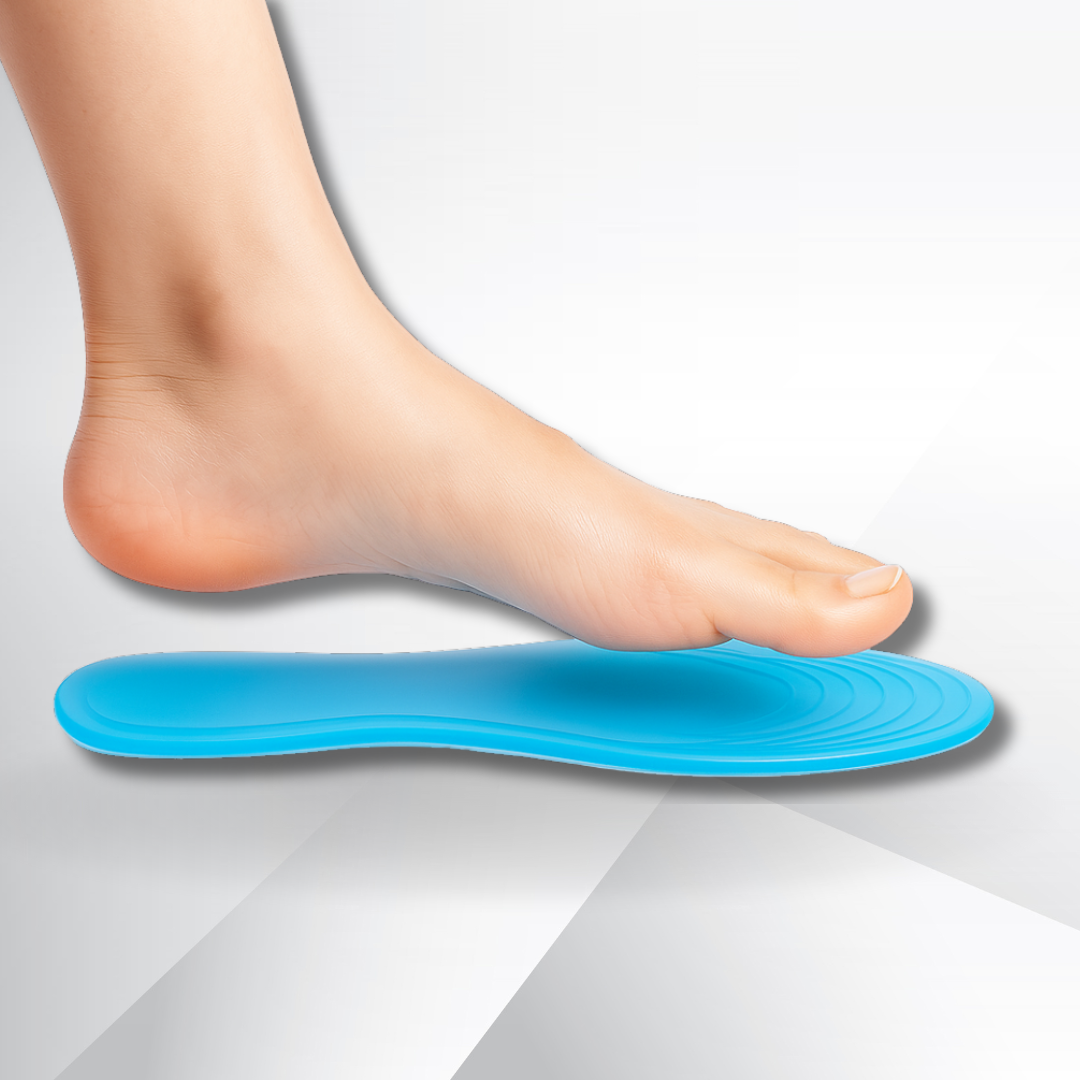
There are five common foot products on most pharmacy shelves. They look similar enough that most buyers grab the cheapest one — and most of those buyers are solving the wrong problem. Here's a quick map of what fixes what.
Gel insoles
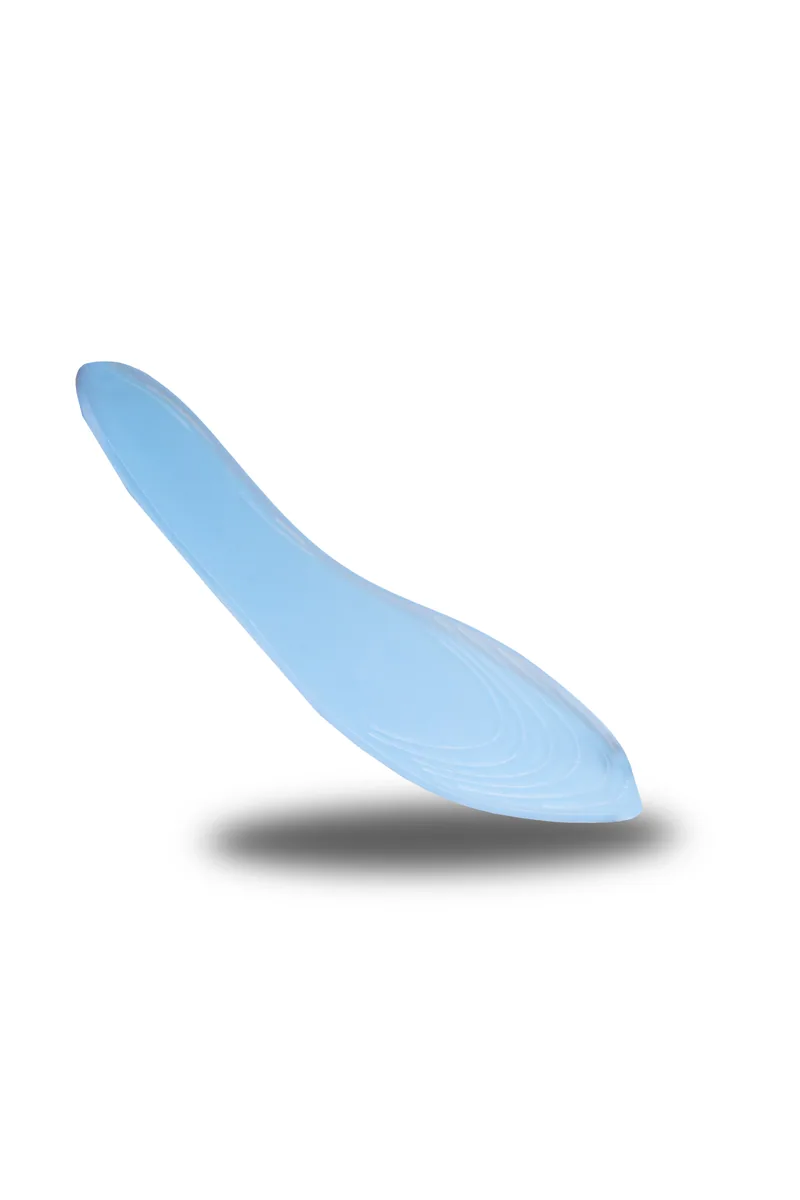
Full-length gel insoles sit underneath your existing shoe insole. Their job is shock absorption — they soften every step. They are the right choice if you stand or walk on hard surfaces all day (kitchen, retail floor, factory) and your feet ache from impact rather than structural strain.
Silicone arch supports
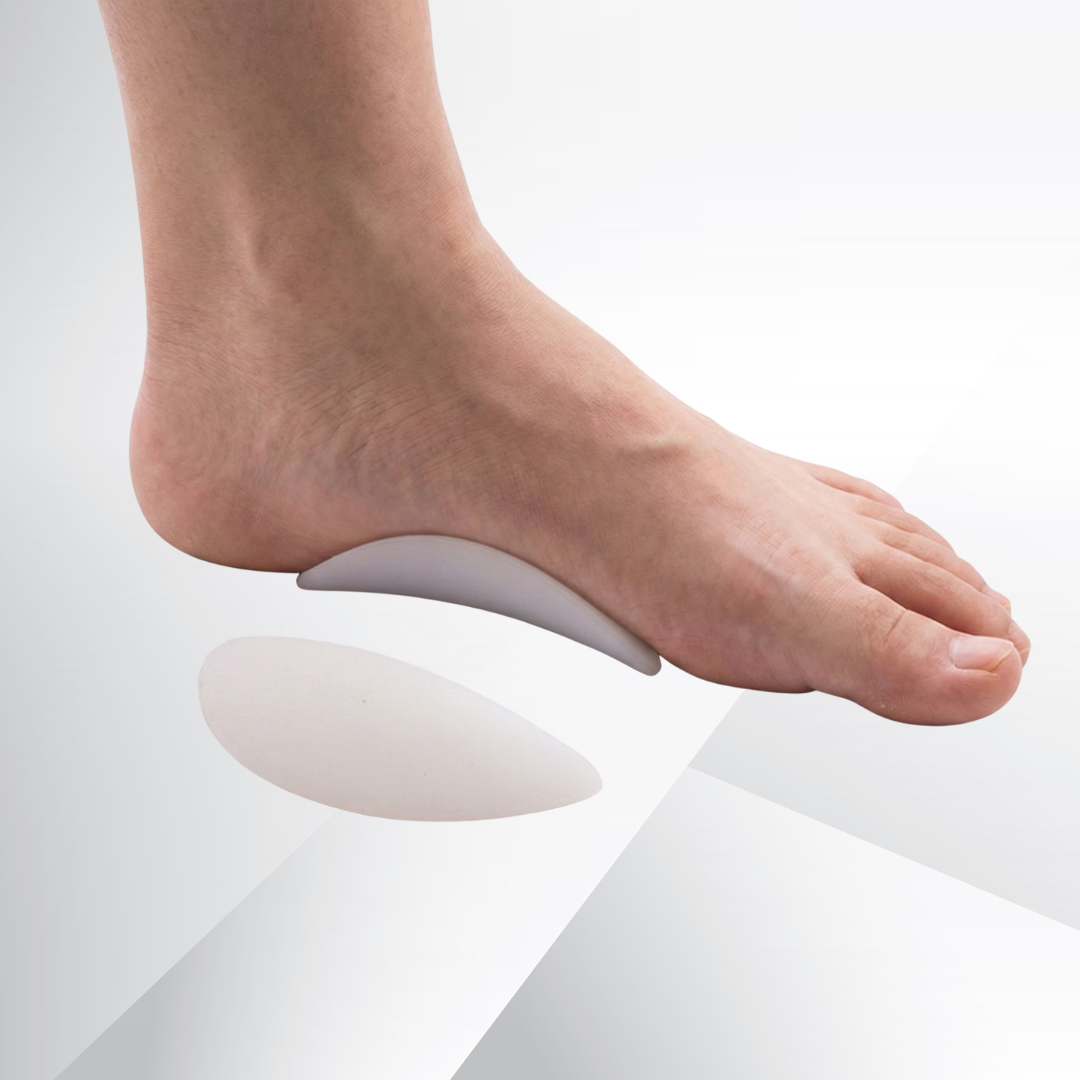
These target the arch directly. If you have flat feet, fallen arches, or you're developing plantar fasciitis (sharp morning pain at the heel), an arch support takes the load off the plantar fascia and lets it heal.
Silicone heel cups
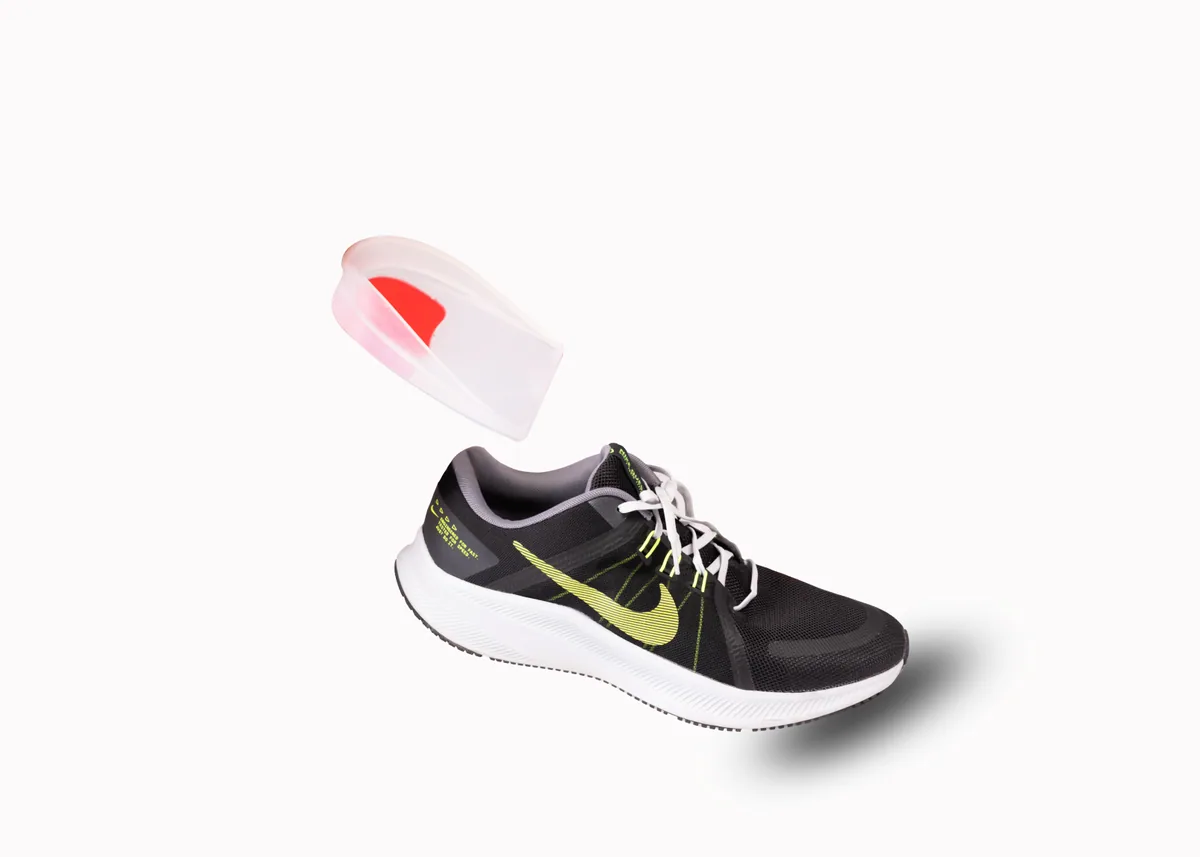
A heel cup is a small wedge-shaped insert that sits under just the heel. It's the right tool for heel spurs, bursitis, and Achilles tendon discomfort. It is the wrong tool for arch pain — using a heel cup for plantar fasciitis is one of the most common mistakes we see.
Metatarsal pads
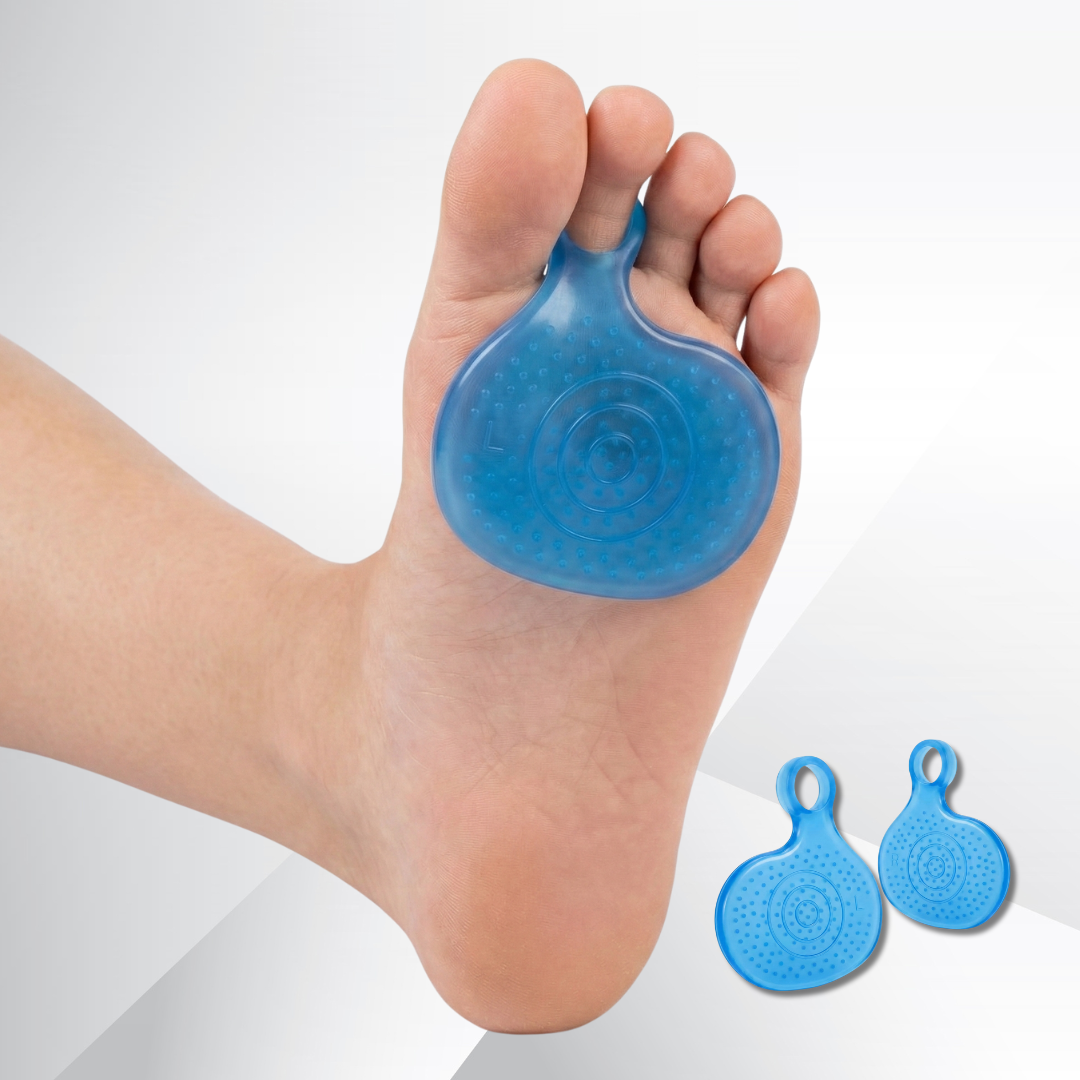
A small gel disc that sits behind the ball of your foot. If you have forefoot pain after wearing dress shoes or heels, this is the inexpensive fix.
Bunion splints and toe separators
These are corrective rather than cushioning. They aim to slowly realign the joint over months. Wear them at night for the best results — they're uncomfortable to walk in.
The diagnostic question
Where exactly does it hurt? Heel = heel cup. Arch = arch support. Ball of foot = metatarsal pad. Whole foot from impact = gel insole. Big toe joint = bunion splint. Simple as that.
Liked this? Get the full Posture Playbook.
A 28-page science-backed guide to sitting, sleeping and moving through a 9-to-5. Built on Harvard Health & Mayo Clinic research.
Get the Free Guide