Knee braces are not interchangeable. The wrong type does nothing at best — at worst it gives you false confidence to load a joint that isn't ready. This guide breaks down the three main families and tells you exactly when each one is the right call.
Type 1 — The compression sleeve
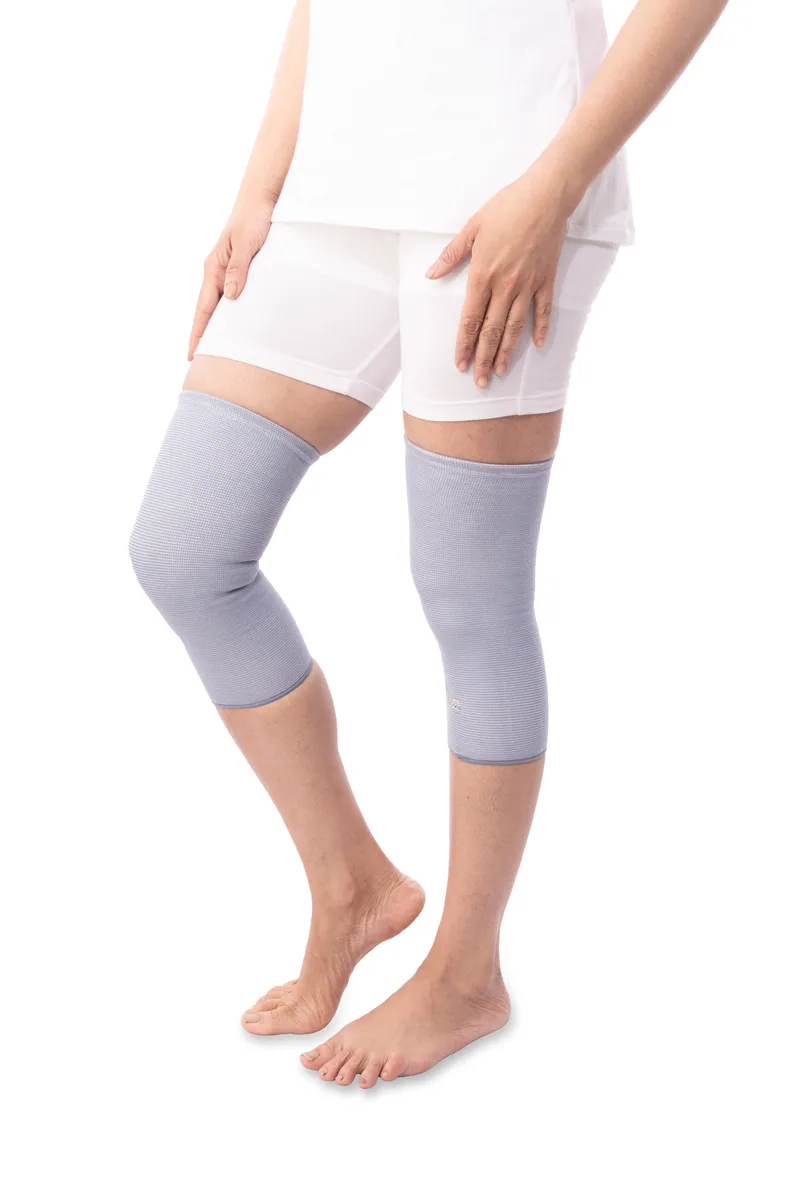
A compression sleeve is the lightest, simplest brace. It pulls on like a sock and applies even pressure around the joint. There are no straps, no hinges, no rigid parts.
When to use it
- Mild ache after long walks or stairs
- General knee fatigue from standing all day
- Light running, gym, daily wear
- Early-stage osteoarthritis comfort
When NOT to use it
A sleeve does nothing to limit joint motion. If your knee is unstable — if it gives way, swells significantly, or hurts on lateral movement — a sleeve is the wrong tool.
Type 2 — The wrap brace
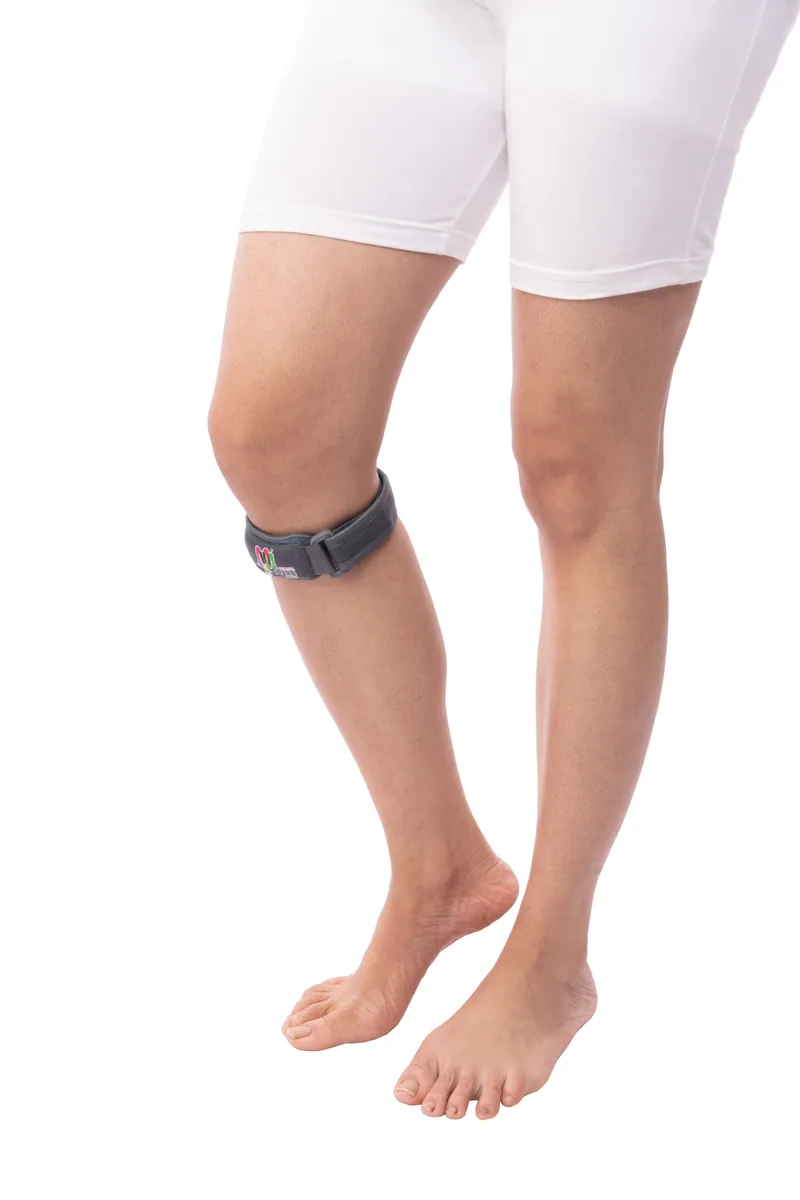
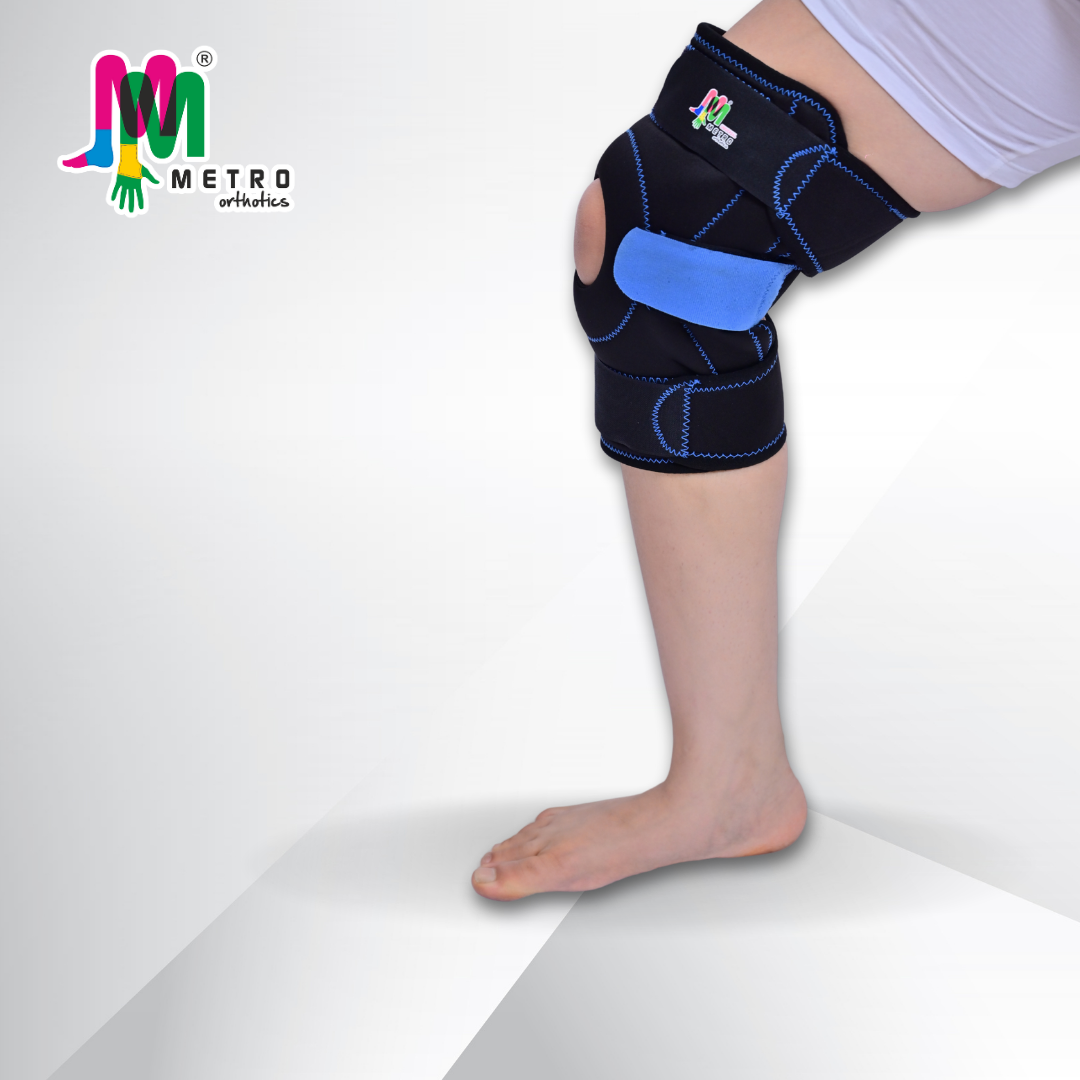
A wrap brace uses adjustable straps to apply targeted compression. It's a step up from a sleeve and forgiving on sizing — it adjusts to your leg, not the other way around.
When to use it
- Patellofemoral pain (front-of-knee runner's knee)
- Mild MCL or LCL strain
- Post-injury return to light activity
- When you need different compression on different days
Type 3 — The hinged brace
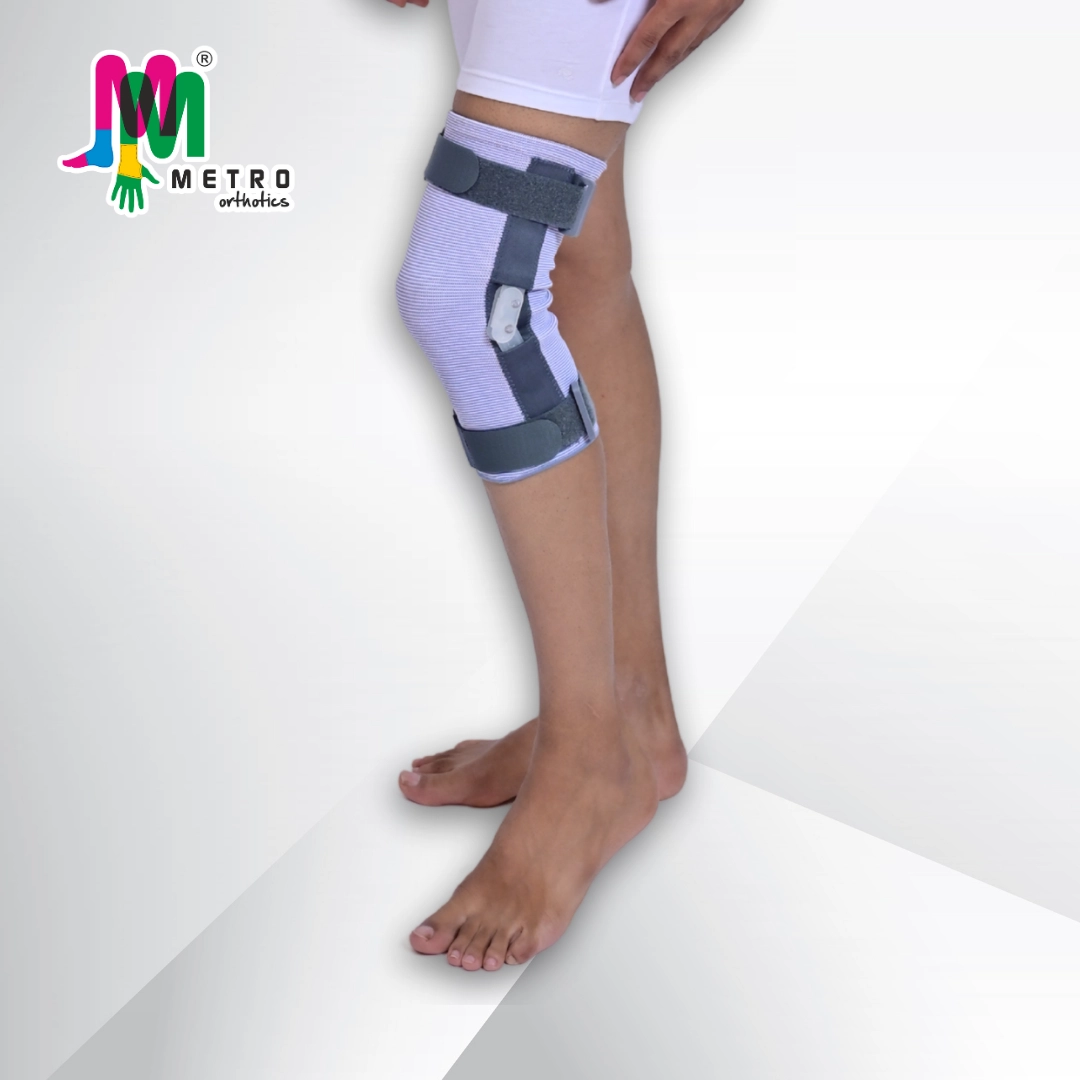
Hinged braces have rigid metal or polymer side struts that limit how far the joint can bend or twist. They are the heaviest, the most protective, and the most specific.
When to use it
- Post-ACL or meniscus surgery (under doctor supervision)
- Documented ligament instability
- Returning to contact sports after a serious injury
- Range-of-motion control during rehab
Important
A hinged brace should be sized by a professional and worn under medical guidance for the first 4-6 weeks. It is the only category in this guide we strongly recommend not buying blind.
Sizing — the part most people get wrong
Measure 15 cm above the centre of your kneecap with a soft tape, with your leg straight and your muscles relaxed. That's the only number that matters. Calf and thigh measurements are a distant second.
How to wear it without making things worse
- 1Position the kneecap opening centred over your patella
- 2Snug but never tight — you should be able to slide a finger under the strap
- 3Take it off if you feel pins and needles or your foot gets cold
- 4Never sleep in any brace except a doctor-prescribed post-op model
- 5Wash it weekly — sweat breaks down the elastic faster than you think
Liked this? Get the full Posture Playbook.
A 28-page science-backed guide to sitting, sleeping and moving through a 9-to-5. Built on Harvard Health & Mayo Clinic research.
Get the Free Guide